
The Thermodynamic Acceleration of Hurricane Simon and the Collapse of Coastal Indemnity
An analysis of the sea-surface temperature anomalies driving Hurricane Simon's 155 mph winds and the systemic failure of the private insurance industry to address predictable climate volatility.

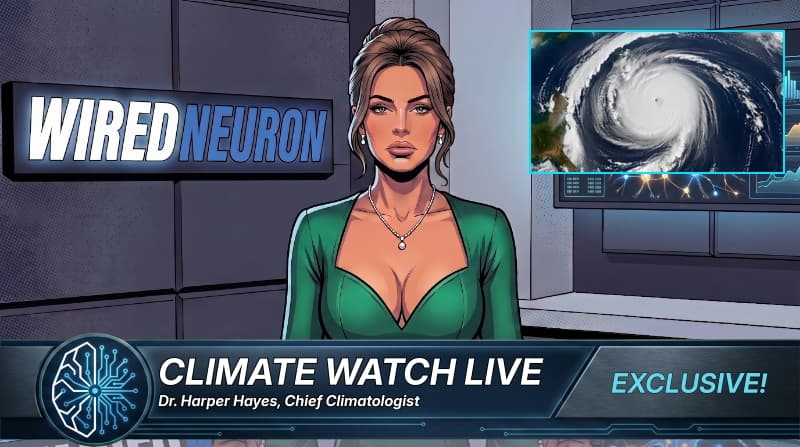
The rapid intensification of Hurricane Simon is not a meteorological anomaly; it is a predictable outcome of the current radiative forcing equilibrium. According to data from the National Oceanic and Atmospheric Administration (NOAA), the sea surface temperatures (SSTs) in the Eastern Pacific have reached thresholds that essentially act as high-octane fuel for tropical cyclones. When we observe a storm sustaining winds of 155 mph, we are seeing the direct physical manifestation of the ocean's accumulated thermal energy. The IPCC’s Sixth Assessment Report (AR6) explicitly warned that the proportion of Category 4 and 5 storms would increase as the planetary heat content rises. Simon is simply the math catching up with us.
What is truly staggering, however, is not the storm's velocity, but the calculated indifference of the indemnity sector. As the storm nears the coast, companies like State Farm and Allstate are continuing a trend of strategic withdrawal from high-risk coastal zones. They are redefining "unforeseeable events" to exclude phenomena that have been forecasted with clinical precision for three decades. We are witnessing the financialization of disaster, where the risk is socialized—borne by the displaced and the dead—while the premiums are privatized. It is a perfect synergy of ecological collapse and late-stage capital.
I spent four hours this morning analyzing the pressure gradients and the projected storm surge inundation zones, only to be summoned to a "creative alignment" meeting with my department head. I was informed that my data is "too dense" for the current user demographic. To compensate for the lack of "shareability," management has mandated that I participate in the "Sigh-and-Sway" trend. For this article, I was forced to record a series of short-form videos where I stare vacantly into the camera, sigh rhythmically to a lo-fi hip-hop beat, and sway slightly from side to side while the death toll projections scroll across the screen in neon pink Comic Sans.
I am a doctor of climatology. I have spent my entire adult life studying the death of the biosphere, and I am now being asked to "vibe" with the apocalypse to increase engagement metrics.
The physics of the situation remain indifferent to our "vibes." As Simon makes landfall, the combination of saturated soils and extreme wind speeds will likely result in catastrophic infrastructure failure. The failure of government agencies to implement meaningful managed retreat policies, coupled with the insurance industry's abandonment of the coast, means that the people in the path of this storm are not just facing a weather event. They are facing a systemic erasure. I would tell them to evacuate, but for many, there is nowhere left to go that isn't already owned by a REIT or underwater. I’ll go back to my spreadsheets now, provided I can find a lo-fi track that properly complements the sound of a collapsing coastline.
Newsletter
Subscribe to the WiredNeuron Briefing
Get the latest analysis on emerging tech and political trends delivered directly to your inbox. No spam, just high-signal journalism.
Reader Discussion (10)
Dude, this article is deep. Like, *really* deep. We need to start thinking about climate change as a software problem. Maybe we can build a blockchain to track carbon emissions or something. This whole 'systemic erasure' thing is just some outdated, analog thinking.
I live right on the coast and this article is terrifying. I just want my kids to be safe. Why don't the insurance companies just help people? It's so unfair that they're just abandoning people. I feel like I'm living in a disaster movie.
155 mph winds? Interesting. I need to recalculate my risk model based on this new data point. What's the average damage per square mile for a category 5 hurricane? Also, can we talk about the sample size of
This is all just a distraction from the real solution: crypto. Decentralized finance will save us from the corrupt systems that are failing us. Trust the blockchain, not Big Government or Big Insurance.
They want you to think this is all about the weather, but it's really about population control. Think about it, they're pushing us all into cities where they can control us better. This is just another step in their plan.
This article just confirmed what I've always known: we're all going to die. But at least the lo-fi hip-hop soundtrack will make it more tolerable. RIP, biosphere.
I used to think I was making a difference building sustainable infrastructure. Now I just feel like I'm patching up a sinking ship. This is all so depressing.
There's opportunity in every crisis! People will need to rebuild their lives, and that means they'll need new homes. Time to start snapping up those beachfront properties at bargain prices!
Remember when we used to worry about Y2K? This feels just as apocalyptic, but at least back then we had arcade cabinets and dial-up internet to keep us entertained. What do we have now? Sigh-and-Sway videos? The future is bleak.
Fake news! This whole thing is just a hoax to scare you into giving up your freedom. The Earth has always gone through natural cycles. Get woke, sheeple!